
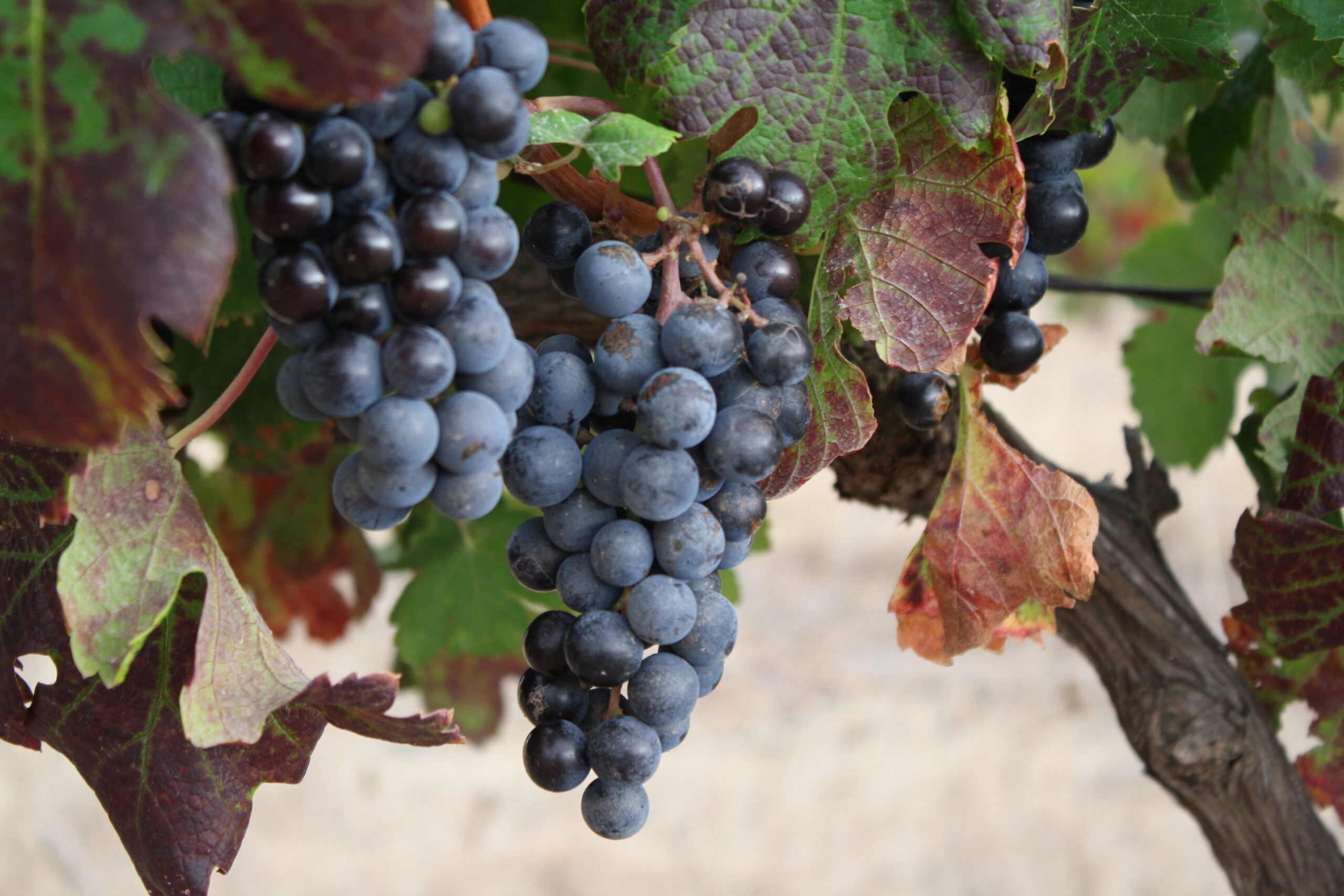
One of the first things people notice when they pour a glass of Post House wine is the colour. Deep.
Inky. Almost opaque.
But that intensity isn’t an accident — it’s the result of careful vineyard management and traditional
winemaking techniques.
It Starts in the Vineyard
Colour in red wine comes from grape skins. The thicker and healthier the skins, the deeper the
colour and structure.
At Post House, vines grow on lean soils that naturally limit excessive growth. This allows grapes to
develop:
- thicker skins
- concentrated flavours
- balanced acidity
The result is fruit that produces wines with exceptional colour density and depth.
Gentle Extraction
During fermentation, colour and tannins are extracted from the skins. At Post House, this process is
done carefully using traditional techniques such as piage – which is the physical pushing down of
grapeskins.
This slower, gentler extraction protects delicate aromas and texture while allowing the wine to
develop its signature depth.
Why Unfiltered Wine Matters
Unlike many commercial wines, Post House wines are not fined and have limited or no filtration.
While filtration can make wine clearer, it can also remove texture, flavour, and character. By leaving
the wine unfiltered, the natural complexity remains intact.
This approach results in wines that are rich, expressive, and full of personality.
Conclusion
The dark colour of Post House wines isn’t just visual appeal — it’s a sign of balance, concentration,
and traditional craftsmanship.
It’s what makes every glass unmistakably Post House.