
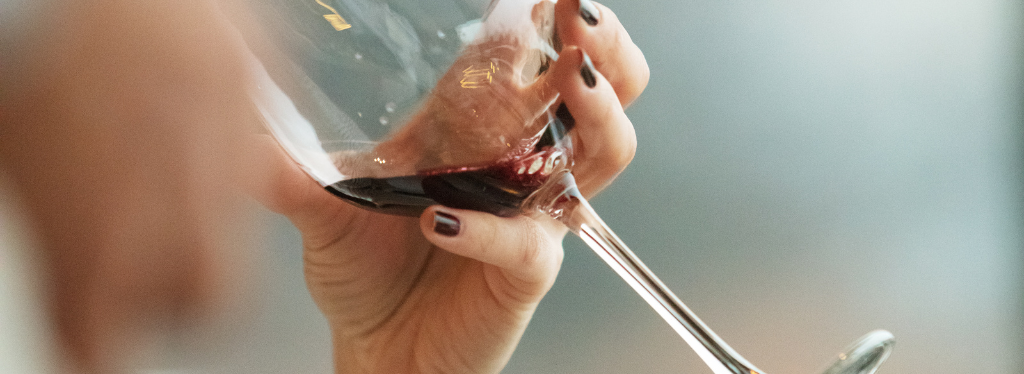
What is unfiltered wine? Learn how no fining, no filtering and wild yeast shape flavour and colour – then taste Post House’s inky, unfiltered reds.
You pour a glass of red, hold it up to the light – and you can’t see through it. A little later you notice a fine dusting of sediment at the bottom of the bottle. Is something wrong? Not at all. You’re drinking unfiltered wine, and that depth of colour is exactly the point.
Unfiltered wine is wine that is bottled without being passed through a filter to remove fine particles such as yeast cells and grape solids. Many unfiltered wines are also unfined, meaning no clarifying agents are added to strip out haze. The result is a wine that keeps more of its original colour, texture and character.
In this guide we explain what unfiltered and unfined actually mean, why most wineries filter and why some deliberately don’t, what it does to the wine in your glass, and how to serve it properly. We’ll also take you behind the scenes at Post House, where a conscious step back in the cellar has produced some of the darkest wines you’ll find anywhere.
Key Takeaways
- Unfiltered wine skips the final filtration step before bottling, keeping fine particles that contribute to texture and colour.
- Unfined wine is made without clarifying agents such as bentonite clay, egg white or casein.
- Skipping both tends to produce wines that are deeper in colour, fuller in texture and more expressive of the vineyard.
- Sediment is natural and harmless – stand the bottle upright and decant to leave it behind.
- At Post House, natural yeast fermentation, basket pressing and no fining or filtering are combined with lean soils and low yields to create inky, characterful wines.
What Is Unfiltered Wine?
After fermentation, young wine is cloudy. It holds dead yeast cells (lees), tiny fragments of grape skin and pulp, proteins and tannin compounds. Winemakers have two main tools to clear this out: fining and filtering.
Fining vs Filtering: What’s the Difference?
- Fining adds a substance to the wine that binds to unwanted particles so they drop to the bottom of the tank. Common fining agents include bentonite (a type of clay), egg white, casein (a milk protein), isinglass (from fish) and plant-based or synthetic alternatives.
- Filtering physically pushes the wine through a membrane or pad. Coarse filters remove visible solids; very tight “sterile” filters remove yeast and bacteria entirely.
An unfiltered wine skips filtration. An unfined, unfiltered wine skips both, relying instead on time, gravity and careful racking (moving clear wine off its settled sediment) to let the wine clarify naturally.
Why Do Most Wineries Filter Their Wine?
Filtering isn’t a villain. It exists for practical, commercial reasons:
- Visual clarity. Many consumers expect a brilliantly clear wine and may mistake natural haze for a fault.
- Microbial stability. Removing yeast and bacteria reduces the risk of refermentation in the bottle, which matters most for wines with residual sugar.
- Consistency at scale. Large producers shipping millions of bottles need every one to look and behave the same.
- Speed. Filtration gets wine bottled and to market faster than waiting for it to settle on its own.
The trade-off is that every intervention takes something away. Aggressive fining and filtering can strip colour, soften aromatics and thin out the texture that makes a wine feel generous in the mouth.
What Happens When You Don’t Filter: Colour, Texture and Flavour
When a winemaker chooses not to fine or filter, the wine keeps more of what the vineyard and the cellar gave it.
- Colour: Pigments and phenolic compounds that would otherwise be caught by a filter or bound by a fining agent stay in the wine. This is a big part of why unfiltered reds can look almost black.
- Texture: Fine particles and intact tannins give a rounder, fuller, more layered mouthfeel.
- Flavour and aroma: Less handling means more of the fruit, spice and earthy notes carry through to the glass.
- Ageing: Structured, well-made unfiltered reds can develop beautifully in bottle. Several of our reds carry maturation potential of eight years or more.
Why Are Post House Wines So Dark?
There’s no single trick. As our founder’s philosophy puts it, great wine comes from a combination of activities that add up to something unique. At Post House, three factors work together:
- Lean soils on our ridge in the Helderberg, which make the vines work hard.
- Low yields, so each vine concentrates its energy into fewer, more intense berries.
- No fining or filtering, so that concentration ends up in your glass instead of on a filter pad.
The result is bold, inky wine full of soul. Our Merry Widow Shiraz, for example, is described in our tasting notes as inky black and full-bodied – not a phrase you’ll often see on a back label.
The Post House Method: A Conscious Step Back
Post House sits on a ridge between Somerset West and Stellenbosch, with views over False Bay, Cape Point and the Helderberg mountains. Hermann Gebers bought the farm in 1981, and the old homestead – once the Helderberg Post Office – gave the winery its name and its postal theme.
Our approach in the cellar is simple: interfere as little as possible. That means four traditional choices:
- Natural yeast fermentation. We let the wild yeasts that arrive on the grapes and live in the cellar drive fermentation, rather than inoculating with commercial strains. This tends to produce a slower ferment and more complex flavours.
- Basket pressing. A traditional basket press is gentle on the grapes, extracting juice and colour without crushing out harsh, bitter tannins from seeds and stems.
- No fining. Because we don’t fine, no clarifying agents – including animal-derived ones like egg white or casein – are added at that stage.
- No filtering. Our wines go into bottle with their colour, texture and character intact.
None of this is about being fashionable. It’s about honest winemaking without pretension, and trusting good fruit to speak for itself.
Is Sediment in Wine Bad? How to Serve Unfiltered Wine
Sediment is completely natural and harmless. It’s simply the solids that settle out over time, sometimes alongside harmless tartrate crystals (often called “wine diamonds”). You don’t want a mouthful of it, though, so a little care when serving goes a long way.
- Stand the bottle upright for a few hours – ideally a day – before opening, so the sediment collects at the bottom.
- Open gently and avoid shaking or tipping the bottle back and forth.
- Decant by pouring slowly and steadily into a decanter or jug, ideally with a light behind the neck of the bottle. Stop when you see sediment reaching the shoulder.
- Let it breathe. Bigger reds like Penny Black or Bulls Eye open up nicely after 30–60 minutes in the decanter.
- Serve at the right temperature. In a Cape summer, “room temperature” is too warm for red. Aim for slightly cool – around 16–18°C. Fifteen minutes in the fridge helps.
Five Post House Wines to Start Your Unfiltered Journey
New to our wines? Here’s where to begin:
- Penny Black 2023 – Our flagship blend of Shiraz, Cabernet Sauvignon, Merlot, Petit Verdot and a dash of Chenin Blanc. Floral petals, blackcurrant, fynbos and white pepper, with a maturation potential of 10–12 years.
- Merry Widow 2023 – 100% Shiraz. Inky black, with red cherries, white pepper, violets and liquorice.
- Blueish Black 2023 – A Pinotage-led blend with Shiraz, Merlot and Cabernet Sauvignon. Mulberry, red currant and spice, with a smooth, soft palate – a great introduction to the style.
- Missing Virgin 2022 – Pinotage with Petit Verdot. Blueberry, fruit cake and wild heath with a hint of cinnamon.
- Cameo Chenin 2026 – For warmer spring days, our unwooded Chenin Blanc brings guava, quince and citrus with fresh acidity.
Curious about the stories behind names like Missing Virgin and Treskilling Yellow? Each one is inspired by a famous rarity from the world of stamps – a nod to our Post Office heritage.
Frequently Asked Questions
Is unfiltered wine better than filtered wine?
Not automatically. Filtering is a valid choice, especially for sweet or delicate wines. But unfiltered wines often show more colour, texture and character, because less is removed after fermentation.
Is the sediment in unfiltered wine safe to drink?
Yes. Sediment is made up of natural grape solids, tannins and tartrate crystals. It’s harmless, but it can feel gritty, so decant the wine to leave it in the bottle.
What is the difference between unfined and unfiltered wine?
Unfined wine is made without clarifying agents such as bentonite, egg white or casein. Unfiltered wine is bottled without passing through a filter. Post House wines are both unfined and unfiltered.
Where can I taste unfiltered wine in the Western Cape?
Post House Wines on Raithby Road, Somerset West, offers tastings Monday to Saturday. R130 gets you any five wines from our Post Card or Estate Range, and the tasting is free when you spend R600 or more. We recommend calling ahead on 021 842 2409.
Taste the Depth for Yourself
Unfiltered wine isn’t a gimmick or a fault – it’s what happens when a winemaker chooses to step back and let the vineyard speak. Natural yeast, gentle basket pressing and no fining or filtering give Post House wines their inky colour, generous texture and unmistakable character.
The best way to understand it is to taste it. Explore our full wine range and order online, book a tasting at the farm with views over False Bay, or join the Post House Wine Club for new releases and more stories from our cellar.
We guarantee you’ve never tasted wines quite like ours.
Leave a Reply
You must be logged in to post a comment.